What is your lip personality?
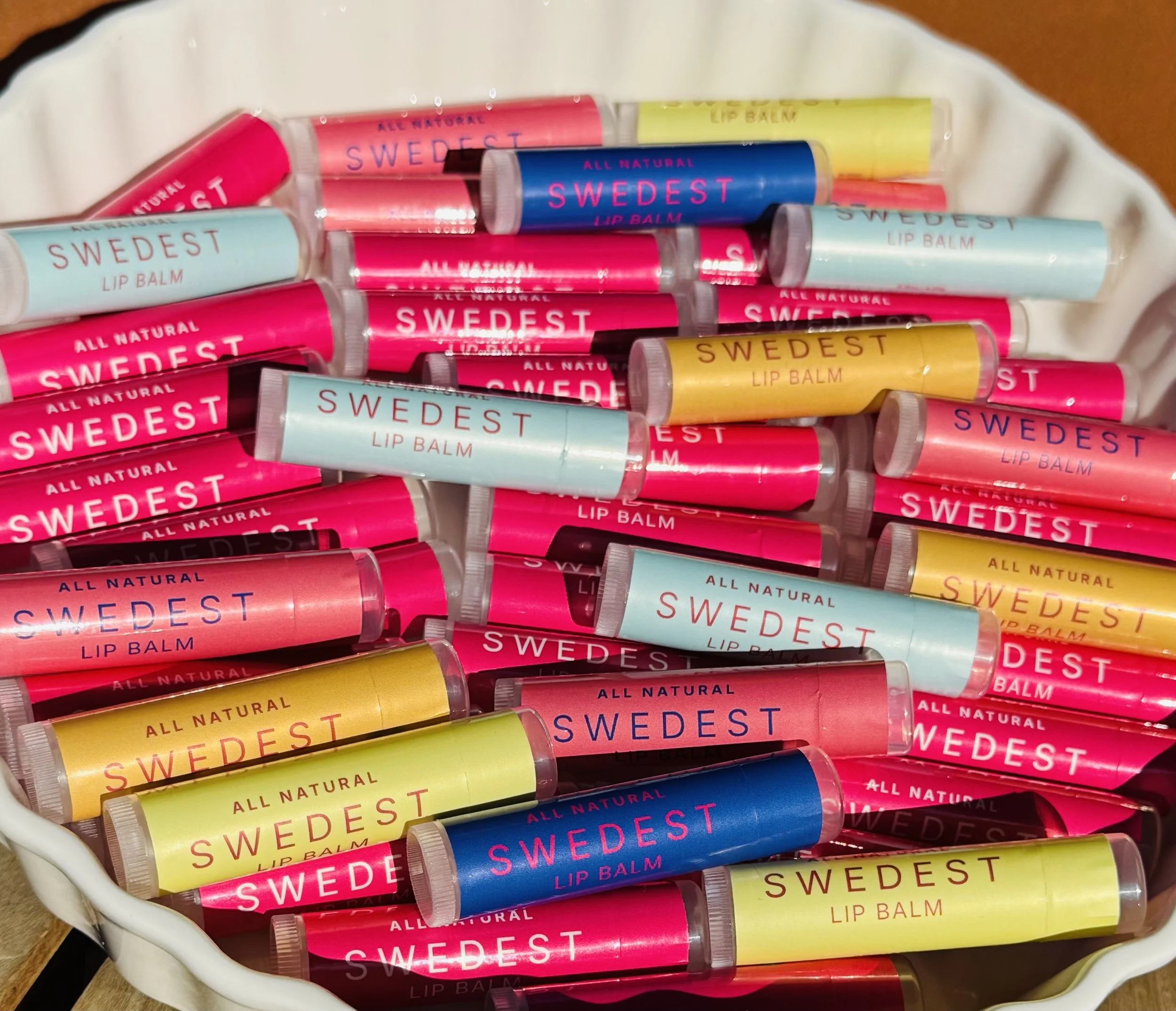
Do you like your lips slightly buttery, or do you prefer that barely-there, silky finish?
Or maybe you’re all about the juicy, glossy look?
…Or—god forbid—are you the person who walks around with chronically chapped lips!?
The quality and feel of a lip balm is something I spend a ridiculous amount of time thinking about. Depending on the ingredients, a balm can feel buttery → silky → lightweight → glossy. And the texture isn’t just about the formula—climate plays a big role too. Is it hot, humid, dry or cold? Are you reaching for a daily-wear balm, an overnight treatment, something for outdoor activities, or something to pair with makeup?
All these factors shape your “lip personality” and help determine which kind of balm actually works best for you.
Meet the Lip Personalities (and What They Actually Mean)
Now, here’s where it gets fun. Your favorite lip texture says a lot about what you really like and the ingredients behind the scenes usually tell the story.
The Buttery Lover
If you love that soft, cushiony, melt-into-your-lips feel, you’re probably a Buttery Lover.
Unrefined shea butter is usually the hero here, it gives balms that rich, creamy glide that feels like a cozy sweater for your lips.
The Barely-There Minimalist
Silky, smooth, almost weightless, this personality likes hydration without the heaviness.
Balms with a balanced blend of oils (like jojoba or grapeseed) and lighter wax ratios tend to give that soft, subtle finish.
The Gloss Queen
Glossy doesn’t always mean sticky or even hydrating, but the Gloss Queen wants shine, shine, shine.
More oil-rich formulations or gloss-balm hybrids are what give lips that juicy, light-reflecting finish.
The “Why Are My Lips Always Dry?” Friend
If your lips never feel moisturized no matter how much you apply, you may be using balms with a high wax ratio.
More wax usually means a “drier,” stiffer texture, great for staying power, not always great for softness.
(And sometimes the real issue is environment, dehydration, or, dare I say, compulsive lip licking.)
Truths Your Lips Want You to Know
Myth #1: “Glossy = Hydrating.”
Not always!
A high-shine finish usually comes from oils that sit on the surface of your lips and reflect light which looks hydrating, but doesn’t necessarily do much for actual moisture. Many conventional lip glosses rely on synthetic shine-enhancers like petroleum, mineral oil, or polybutene, which create a slick, glossy layer but don’t truly nourish your skin.
These ingredients act more like a seal than a moisturizer: they trap what’s already there but don’t add meaningful hydration or support your lip’s natural barrier. So if your lips are already dry underneath, a shiny gloss can actually make them feel drier over time.
A truly hydrating balm needs a thoughtful balance of nutrient-rich oils (like jojoba, grapeseed, or castor) and butters (like shea or cocoa) that soften, replenish, and actually absorb into the skin. Those are the ingredients that give your lips long-lasting hydration with or without the shine.
Myth #2: “More fragrance = better.”
Actually… more fragrance can mean more problems.
Here’s what most people don’t realize: “fragrance” in cosmetics is often a cocktail of dozens, even hundreds of synthetic chemicals blended together to create a single scent or flavor. And brands aren’t required to list what’s inside those blends; “fragrance” or “flavor” becomes a catch-all term that hides a lot of potentially irritating ingredients.
On the lips, one of the thinnest, most delicate areas of your skin, these synthetic blends can quickly lead to dryness, tingling, flaking, or that strange feeling where your lips suddenly need more product.
Some fragrance compounds are also known allergens or sensitizers, meaning the more frequently you apply them, the more reactive your skin can become over time.
Even natural flavors or essential oils can cause irritation if used too heavily so a light touch is always better. A gentle hint of flavor enhances the experience; too much overwhelms your skin.
Your lips don’t need a perfume lab.
They need simple, nourishing ingredients first, with any flavor added sparingly and intentionally to keep your lips soft, happy, and irritation-free.
Myth #3: “A thicker balm works better.”
Not always, thickness can be deceiving.
Many people assume that a thick, heavy balm must be more hydrating, but texture alone doesn’t tell the full story. That thicker feel often comes from higher wax content or the use of occlusive synthetics like petroleum and mineral oil, which create a dense layer on top of the lips. While these ingredients can help lock moisture in, they don’t actually add meaningful nourishment to the skin.
For some, especially in dry or cold climates, these heavy occlusives can even make lips feel drier over time because they don’t absorb, they simply sit there, forming a barrier without delivering nutrients.
A truly effective lip balm isn’t about being thick; it’s about being balanced.
A good formula blends:
Oils (like jojoba, grapeseed, castor) for softness and absorption
Butters (like shea or cocoa) for nourishment and barrier support
Waxes for structure and staying power but not so much that the balm feels stiff or dry
And here’s a personal note: living in a very dry climate, I actually sometimes layer a thin coat of petroleum or mineral oil on top of a nourishing natural balm to seal everything in. On its own, petroleum won’t hydrate but when used as a finishing layer over a nutrient-rich formula, it can help prevent moisture from evaporating. Think of it as a “topcoat,” not the main event.
So the next time you swipe on a balm, remember:
Thick doesn’t always mean effective smart formulation (and sometimes smart layering) does.
Embracing Your Lip Personality
At the end of the day, your “lip personality” is simply a mix of what you love, what your lips need, and what actually works in your climate and daily life. Once you understand the textures you gravitate toward, and the ingredients behind them, choosing the right balm gets a whole lot easier. And whether you’re buttery, glossy, barely-there, or somewhere in between, your best lip care always comes down to thoughtful, nourishing ingredients and a formula that respects your skin.
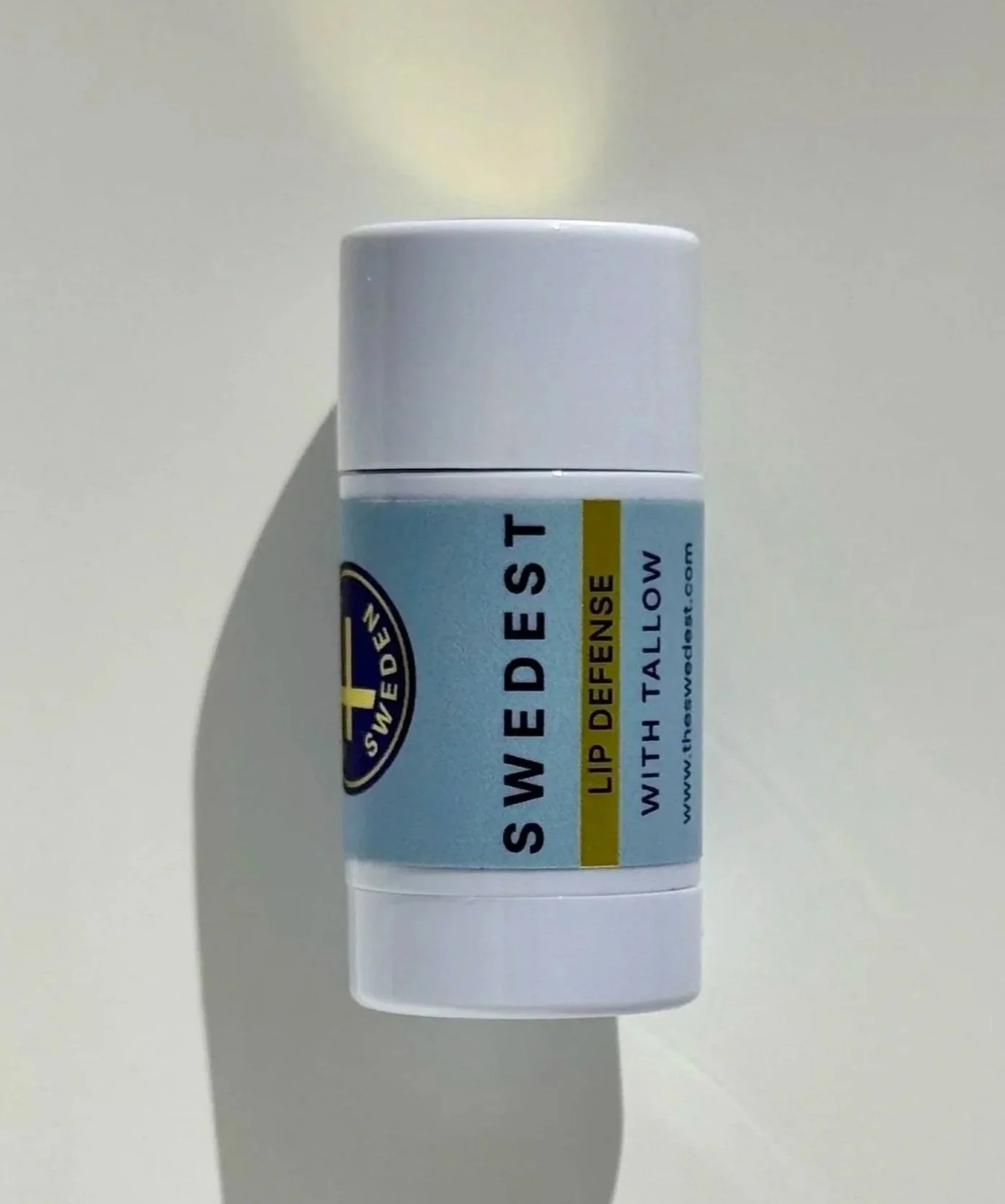
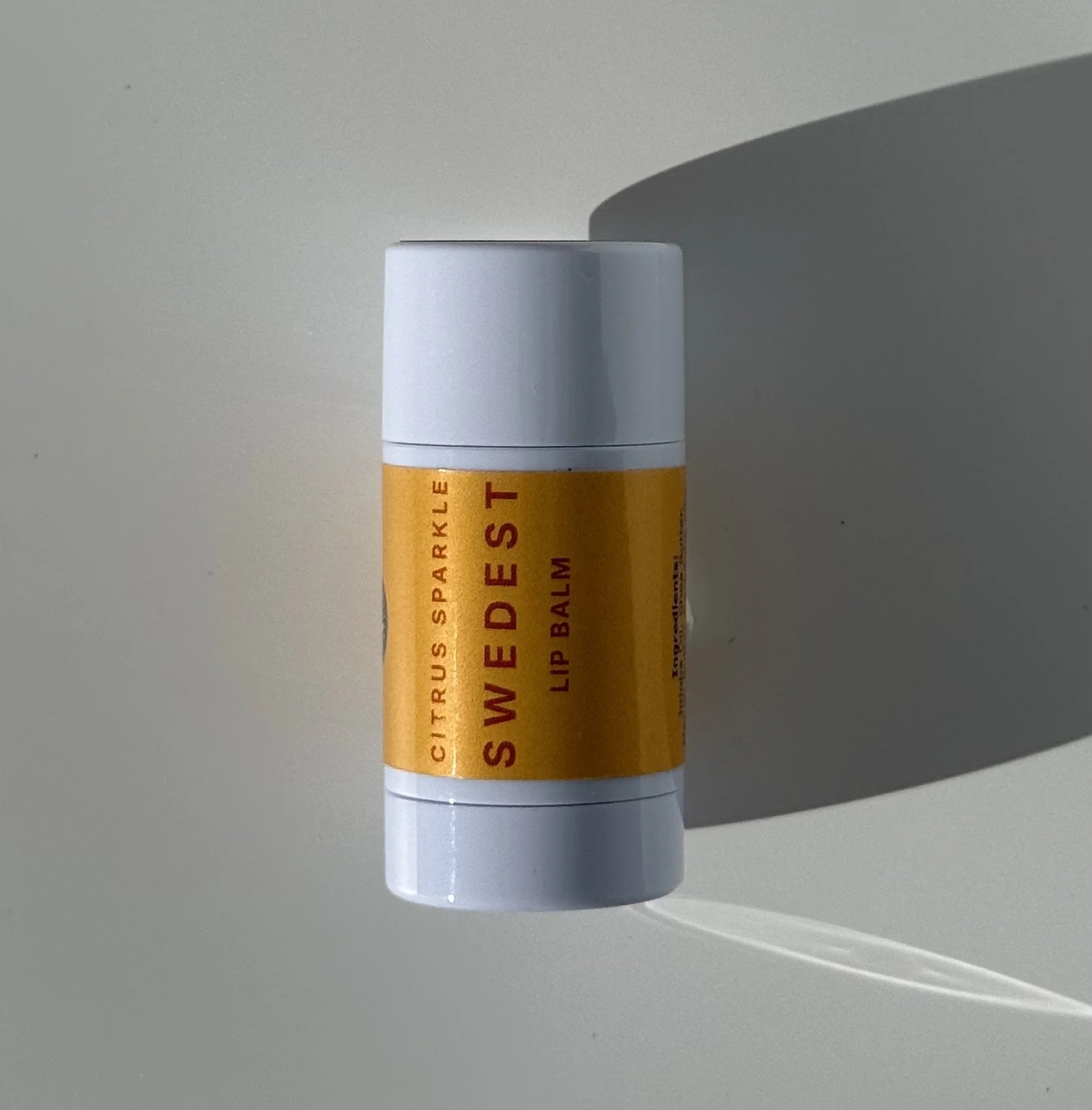
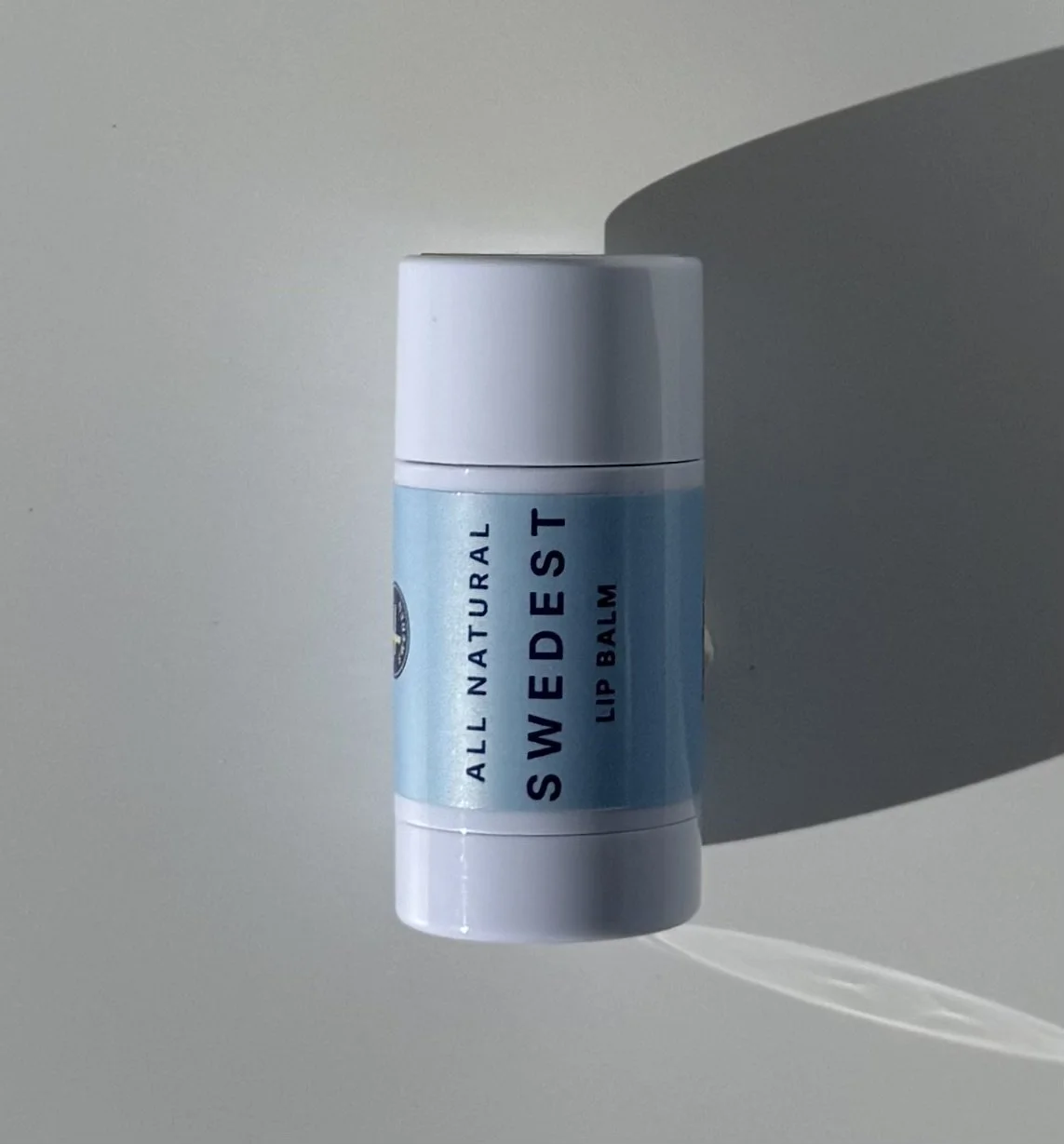

0.21 oz / 6 g
Tallow-Rich Nourishment for Lips
More than a basic lip balm, SWEDEST Lip Defense is a rich, concentrated tallow balm thoughtfully formulated to deeply nourish, condition and protect dry lips.
Tallow is at the heart of the formula. Naturally rich in skin-compatible fatty acids, including oleic, stearic and palmitic acids, tallow provides lasting nourishment while helping soften dry lips, support the skin’s natural moisture barrier and protect against moisture loss.
Shea butter and jojoba oil further soften and condition, while beeswax helps seal in moisture and create a protective layer on the lips. Cocoa butter, calendula, rosehip oil and vitamin E bring an extra layer of botanical nourishment, soothing care and antioxidant support.
The result is a rich, protective balm that deeply nourishes and helps lock in lasting moisture, leaving dry lips feeling softer, smoother and comfortably protected. A little goes a long way, just a light application is all you need.
Finished with a light fruity flavor and a touch of pink mica for a soft, luminous finish, this Lip Defense adds a subtle hint of color while giving dry lips the same rich, nourishing care.
100% Natural · Tallow-Based · Made in the USA
Every ingredient earns its place. Purposeful ingredients. Lasting nourishment. Thoughtful care for your lips.
Thoughtfully crafted in small batches in Colorado.
Natural Product Care: Because Lip Defense is made with natural oils, butters and waxes, its texture may soften in warmer temperatures. If your balm becomes too soft, place it in the refrigerator for 30–60 minutes to allow it to firm up before use.