What You Put on Your Lips Matters More Than You Think
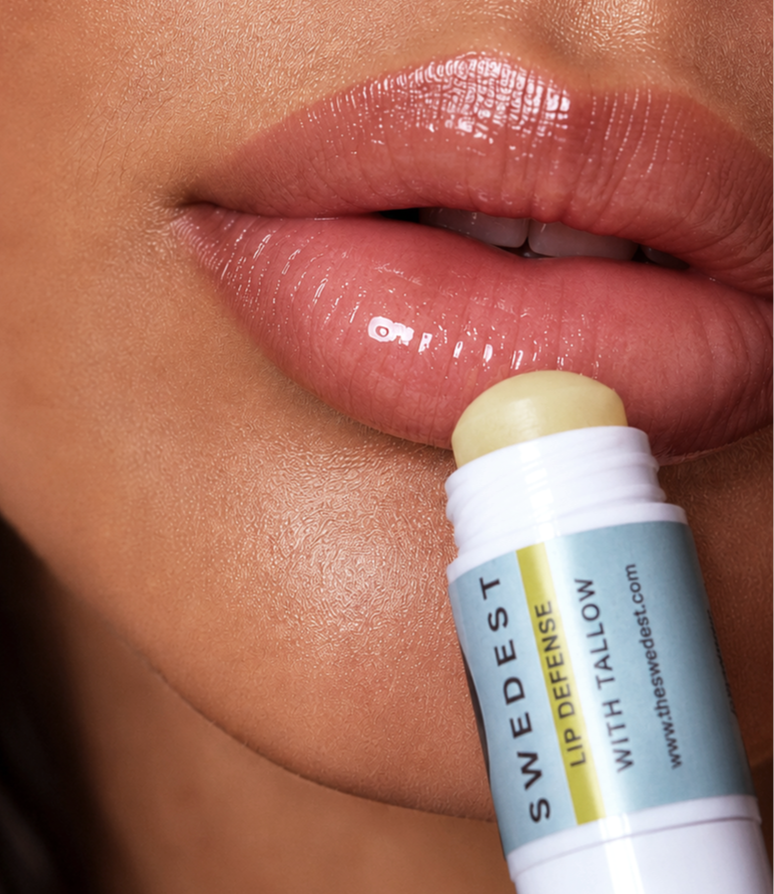
We don’t usually stop and think about what we put on our lips.
I do. I think about it often.
Lip balm is one of those small, everyday products we reach for without much thought, especially in dry climates, cold weather, or long days outside. It lives in our bags, our pockets, our cars. We apply it again and again throughout the day.
But here’s something worth pausing on:
Whatever you put on your lips doesn’t just stay there.
A large portion of it is absorbed, or ingested.
And yet, most conventional lip products are not designed with that in mind.
A Closer Look at What’s Inside
If you turn over a typical lip balm, you’ll often find ingredients like:
Petrolatum
Paraffin
Mineral Oil
These are petroleum-derived ingredients that form the base of many lip products.
They do one thing well:
They create a barrier.
This barrier helps prevent moisture loss, which can make lips feel temporarily softer. But these ingredients don’t actually nourish the skin. They sit on top of it, creating the feeling of hydration, without delivering it.
To improve texture and glide, additional synthetic emollients are often added. These are carefully engineered to make the product feel smooth and silky, but again, they are designed for performance, not nourishment.
You’ll also find small amounts of waxes like beeswax or carnauba wax, along with flavorings and sweeteners to enhance the experience.
Individually, many of these ingredients are considered safe and widely used.
But together, they reflect a certain philosophy:
Function over nourishment.
Why Lips Are Different
The skin on your lips is thinner and more delicate than the rest of your face.
It doesn’t have the same ability to protect itself. It doesn’t produce oil in the same way. And because of how often we lick our lips or reapply product, what we use here matters more.
This is one of the few areas where your skincare becomes, quite literally, something you consume, over time, in small amounts, every day.
So it’s worth asking a simple question:
Would you feel good about eating the ingredients in your lip balm?
A Different Approach
At SWEDEST, I take a quieter, more intentional approach, one rooted in how I grew up thinking about skincare in Sweden.
Simple. Functional. Trusted.
Instead of building formulas around petroleum-based ingredients, I focus on ingredients that the skin recognizes and knows how to use:
Tallow, rich in skin-compatible nutrients
Jojoba oil, which closely resembles the skin’s natural oils
Shea butter, deeply nourishing and protective
Beeswax, to gently seal in moisture
These ingredients don’t just sit on the surface, they support the skin.
They help restore balance. They soften. They protect in a way that feels natural, not engineered.
Less, But Better
There’s a common assumption in skincare that more complexity equals better results.
More ingredients. More actives. More claims.
But sometimes, the opposite is true.
When you remove unnecessary fillers and focus on a few well-chosen ingredients, something shifts. The formula becomes easier for the skin to understand. To absorb. To benefit from.
This is especially true for lips.
A Small Product Worth Rethinking
Lip balm may be one of the smallest products in your routine, but it’s also one of the most frequently used, making it one of the most impactful places to make a thoughtful change.
Not from worry, but simply from a place of awareness.
The Takeaway
You don’t need a complicated routine for healthy, beautiful lips.
You just need ingredients that make sense, that you can feel good about using, and sharing with loved ones.
Clean. Recognizable. Purposeful. Effective.
Because when it comes to your lips, how you choose to care for them truly matters, and it’s worth choosing well.
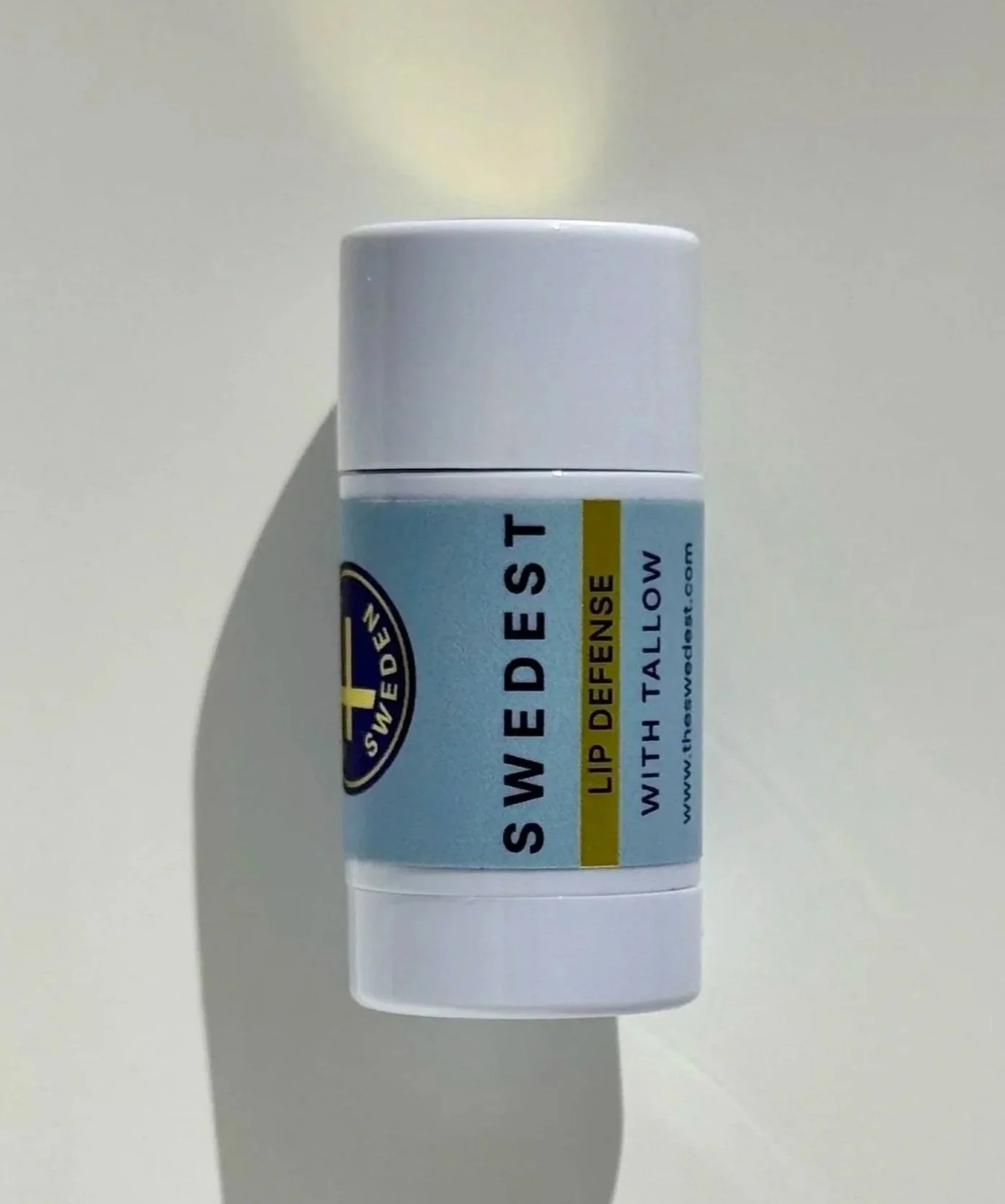
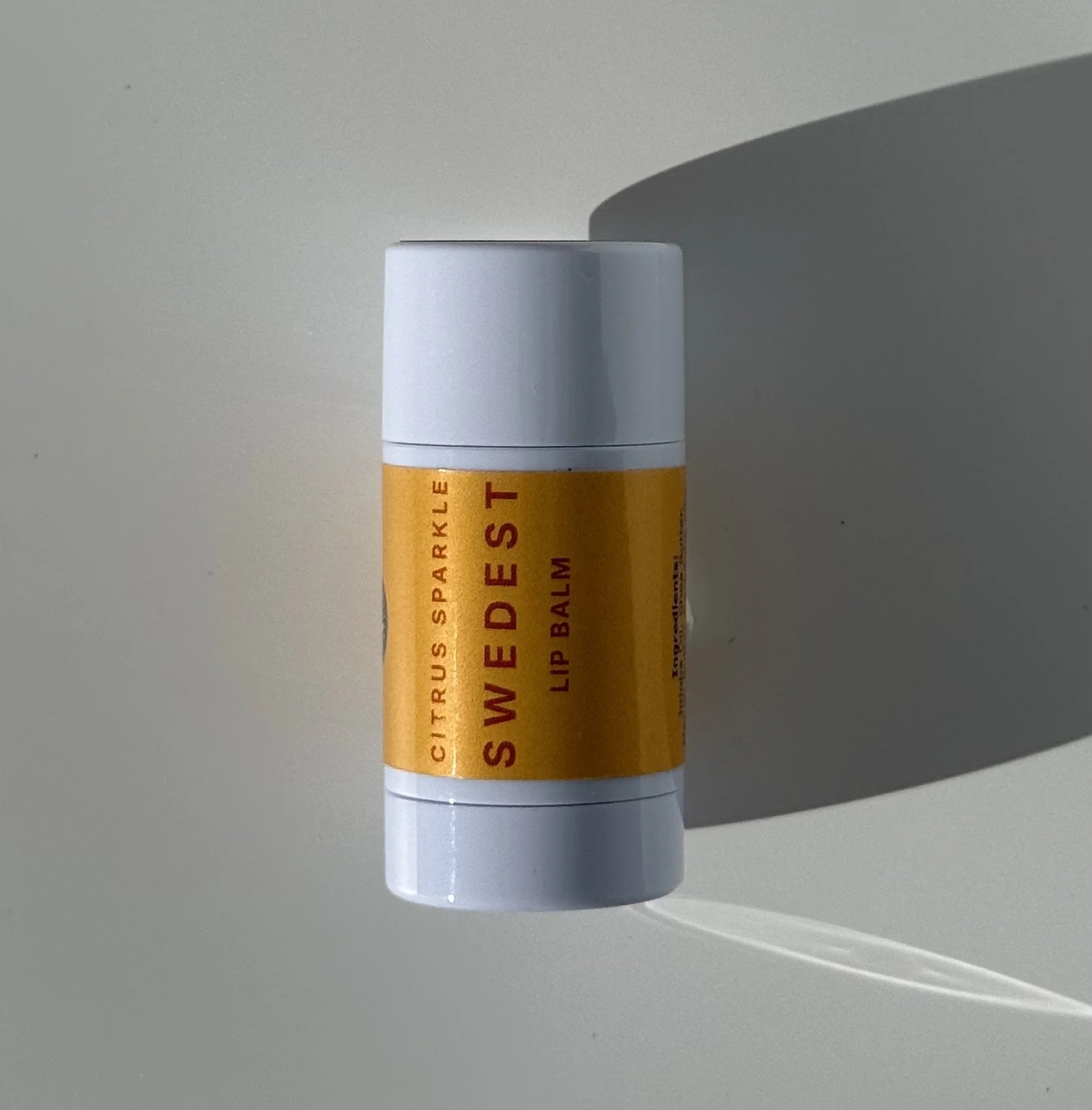
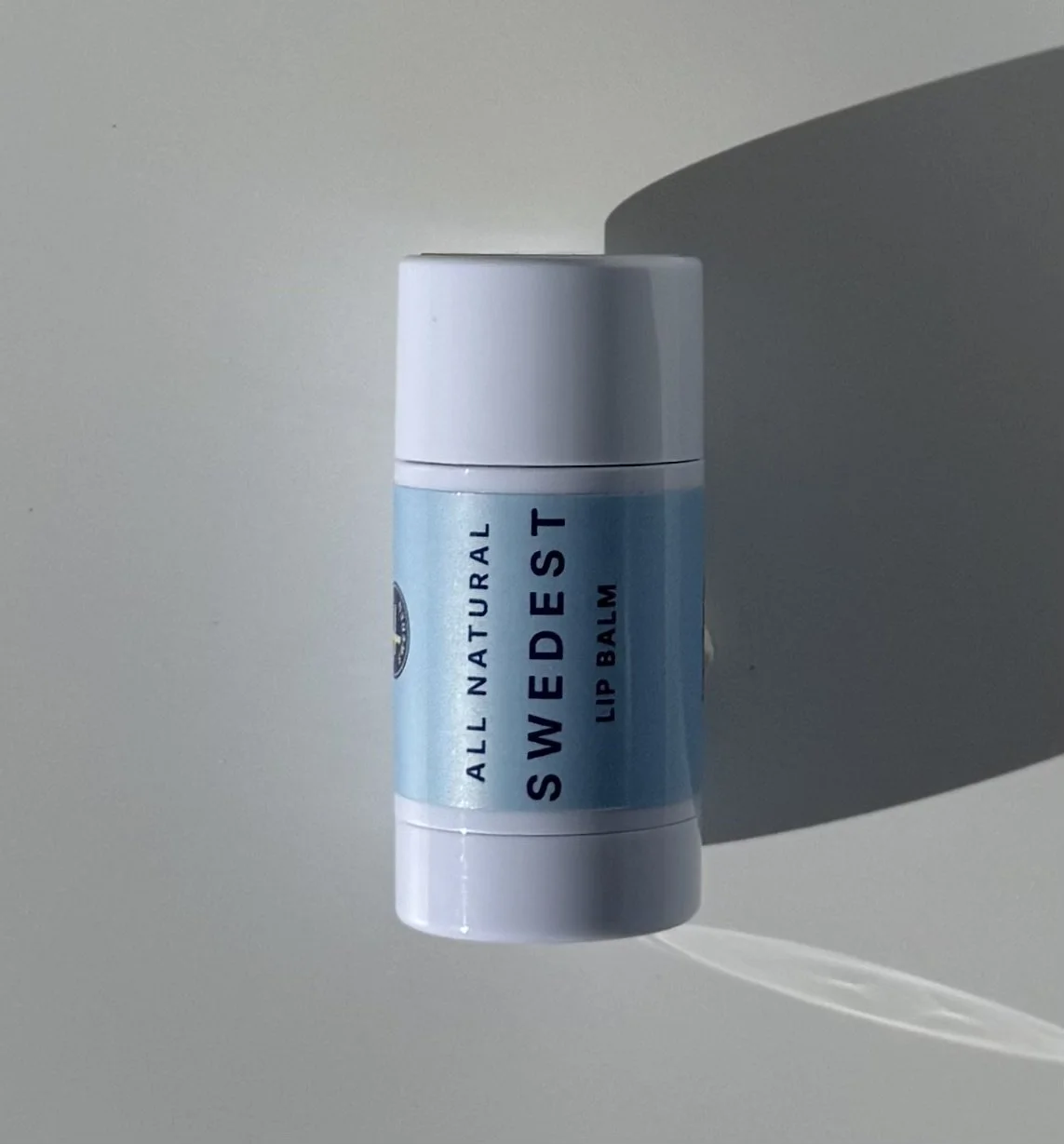

0.21 oz / 6 g
Tallow-Rich Nourishment for Lips
More than a basic lip balm, SWEDEST Lip Defense is a rich, concentrated tallow balm thoughtfully formulated to deeply nourish, condition and protect dry lips.
Tallow is at the heart of the formula. Naturally rich in skin-compatible fatty acids, including oleic, stearic and palmitic acids, tallow provides lasting nourishment while helping soften dry lips, support the skin’s natural moisture barrier and protect against moisture loss.
Shea butter and jojoba oil further soften and condition, while beeswax helps seal in moisture and create a protective layer on the lips. Cocoa butter, calendula, rosehip oil and vitamin E bring an extra layer of botanical nourishment, soothing care and antioxidant support.
The result is a rich, protective balm that deeply nourishes and helps lock in lasting moisture, leaving dry lips feeling softer, smoother and comfortably protected. A little goes a long way, just a light application is all you need.
Finished with a light fruity flavor and a touch of pink mica for a soft, luminous finish, this Lip Defense adds a subtle hint of color while giving dry lips the same rich, nourishing care.
100% Natural · Tallow-Based · Made in the USA
Every ingredient earns its place. Purposeful ingredients. Lasting nourishment. Thoughtful care for your lips.
Thoughtfully crafted in small batches in Colorado.
Natural Product Care: Because Lip Defense is made with natural oils, butters and waxes, its texture may soften in warmer temperatures. If your balm becomes too soft, place it in the refrigerator for 30–60 minutes to allow it to firm up before use.